How to Bathe an Elderly Person Safely (Real Experience + Step-by-Step Guide)
How to Bathe an Elderly Person Safely (Real Experience + Step-by-Step Guide)
Bathing an elderly person safely is one of the most challenging parts of home caregiving.
It’s not just about hygiene. It’s about safety, dignity, trust, and sometimes… overcoming resistance.
If you’ve never done it before, it can feel uncomfortable for both sides.
If you’ve done it once, you know:
👉 This is where accidents happen if you’re not careful.
The First Time: What No One Tells You
The first time I helped my mother bathe after her surgery, I thought it would be simple.
Warm water, a chair, some assistance.
Within minutes:
- She felt unsteady
- I panicked trying to support her
- The floor got wet and slippery
That’s when I realized something important:
👉 Bathing is not a “task.” It’s a process that needs preparation.
Why Bathing Is Risky for Seniors
Bathrooms are one of the most dangerous areas in any home.
Here’s why:
- Slippery surfaces
- Limited space
- Temperature sensitivity
- Balance issues
Even a small mistake can lead to a fall.
And in elderly care, a fall isn’t just a fall.
It can change everything.
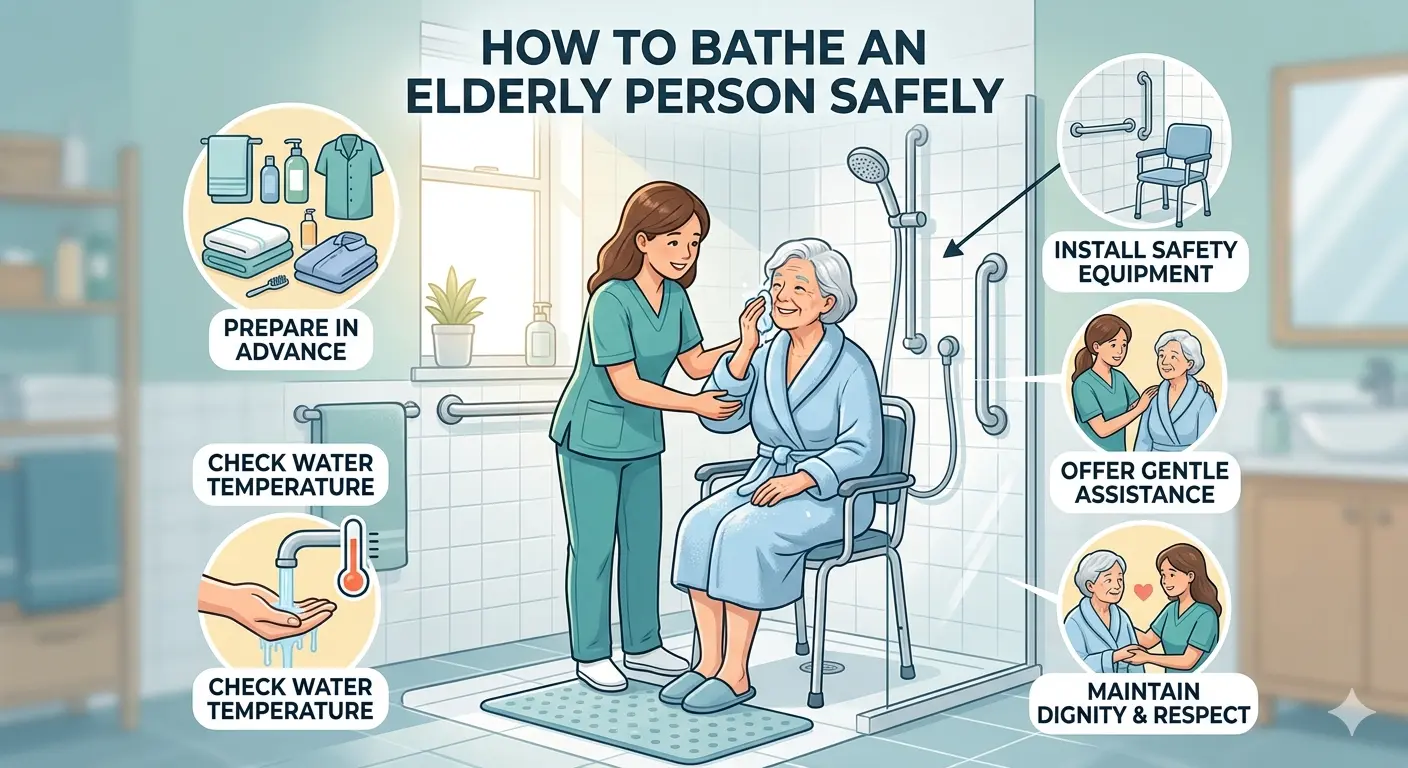
Step 1: Prepare the Bathroom Before Anything Else
Never start without preparation. Ever.
What we changed immediately:
- Installed non-slip mats inside and outside the shower
- Added grab bars near the toilet and shower area
- Placed a shower chair
At first, it felt like overkill.
Then it became normal.
Step 2: Control the Water Temperature
This sounds basic. It’s not.
Elderly people often have reduced sensitivity to temperature.
Too hot → burns
Too cold → discomfort and stress
👉 Always test water with your hand first
👉 Keep it warm, not hot
Step 3: Make Movement Safe and Predictable
The most dangerous moment is not washing.
It’s getting in and out of the shower.
What worked for us:
- Move slowly, step by step
- Give clear instructions
- Let them hold stable surfaces
Never rush this part.
Step 4: Respect Privacy and Dignity
This part is often ignored, but it matters deeply.
For many seniors, bathing assistance feels uncomfortable or embarrassing.
I noticed my mother becoming quieter during bathing. Less talkative.
That’s when it clicked:
👉 This is not just physical help. It’s emotional vulnerability.
What helped:
- Covering parts of the body when not washing
- Explaining each step before doing it
- Keeping communication calm and respectful
Step 5: Use the Right Equipment (It Changes Everything)
You can struggle… or you can make it easier.
Essential items:
- Shower chair
- Handheld shower head
- Non-slip mats
- Mild soap and soft towels
The handheld shower alone made a huge difference.
Step 6: Drying Is Part of Safety
Most people rush this.
Big mistake.
Wet skin + movement = fall risk
What we do now:
- Pat dry instead of rubbing
- Dry feet carefully
- Ensure the floor is dry before standing
Step 7: Watch for Fatigue
Bathing can be exhausting for seniors.
Signs to stop:
- Breathing gets heavy
- Complaints of dizziness
- Loss of balance
👉 It’s okay to take breaks
👉 It’s okay to shorten the process
Emotional Side (The Part You Don’t Expect)
There were days when my mother didn’t want help.
Not because she didn’t need it.
Because she didn’t want to feel dependent.
That’s a hard moment.
You don’t fix it with logic.
You fix it with patience.
Sometimes waiting 10 minutes worked better than insisting.
Common Mistakes (Learn From These)
❌ Rushing the process
→ Leads to accidents
❌ Ignoring emotional discomfort
→ Creates resistance
❌ Not preparing the space
→ Increases risk
❌ Overhelping
→ Reduces independence
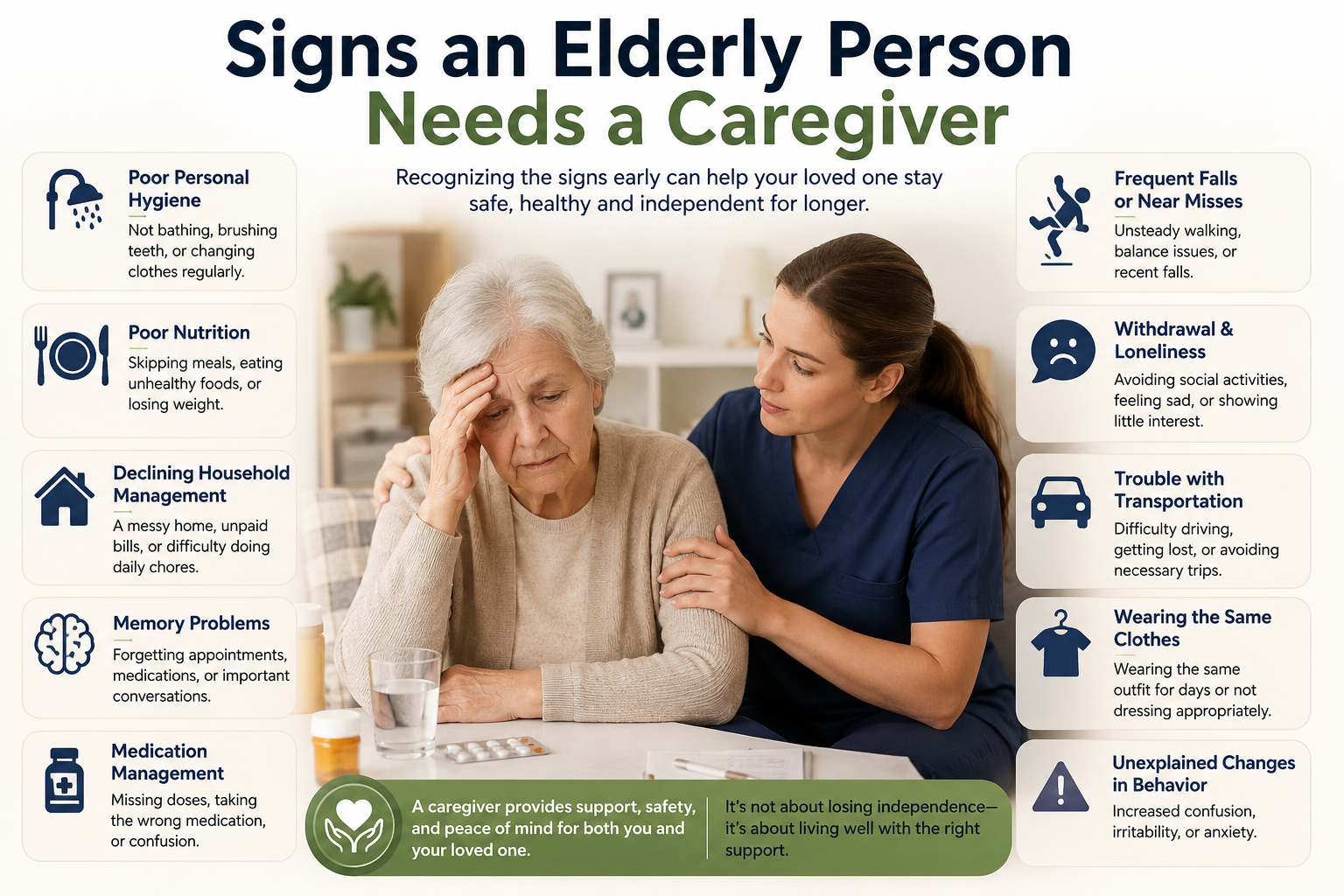
When You Should Consider Professional Help
There’s a point where bathing becomes physically too demanding.
Signs:
- You struggle to support them safely
- They cannot stand even briefly
- You feel unsafe during the process
Getting help is not failure.
It’s responsibility.
Final Thoughts
Bathing an elderly person safely is not about doing things perfectly.
It’s about:
- Reducing risk
- Maintaining dignity
- Building trust
It takes time to learn.
It takes patience to improve.
But once you find your rhythm, it becomes less stressful for both of you.
Disclaimer
This content is for informational purposes only and does not replace professional medical advice. Always consult a healthcare professional for guidance.
Share this content:




Post Comment