How to Care for an Elderly Person at Home

Caring for an elderly person at home is something that sounds manageable… until you actually start doing it.
At first, it feels like a list of simple tasks: prepare meals, give medication, make sure they rest. But within a few days, you realize it’s far more complex. It becomes a constant balance between safety, routine, emotional support, and your own limits.
If you’re here, you’re probably trying to do this the right way. So let’s skip the generic advice and talk about what truly matters.
The First Reality: Nothing Goes Exactly as Planned
When my mother started living with us after her surgery, I thought I had everything under control. I had a schedule printed, medications sorted, even safety equipment ready.
The first night changed that.
She woke up confused, tried to stand up without help, and nearly fell. That moment teaches you something very quickly:
👉 You don’t need a “perfect plan.” You need a safe environment.
Creating a Safe Home Environment (Where Most Mistakes Happen)
People usually focus on comfort. Softer pillows, better blankets, nicer chairs.
That’s fine. But safety is what keeps them out of the hospital.
What actually made a difference in our home:
1. Removing small hazards (that look harmless)
- Loose rugs
- Slippery floors
- Clutter near walking paths
These seem minor until they cause a fall.
2. Fixing the bathroom first
The bathroom is the most dangerous place in the house.
We added:
- Grab bars near the toilet and shower
- Non-slip mats
- A shower chair
It felt excessive at first. Then you realize one fall here can change everything.
3. Night lighting is not optional
Elderly people wake up at night more often. Darkness + confusion = risk.
We installed:
- Soft hallway lights
- Motion sensor lamps
This single change reduced night-time anxiety significantly.
Building a Daily Routine That Actually Works
Everyone says “create a routine.” Almost nobody explains how.
A routine only works if it fits the person, not a perfect schedule on paper.
What we learned the hard way:
- Fixed medication times are non-negotiable
- Meal times should be consistent, but flexible
- Rest periods matter more than you think
At one point, I tried to “optimize” everything. It failed. Why?
Because elderly care is not a factory system.
It’s human.
Medication Management (Where Things Can Go Wrong Fast)
Medication mistakes don’t happen because people don’t care. They happen because life gets messy.
I missed a dose once. Just once.
And that was enough to realize how fragile the system is.
What worked reliably:
- Weekly pill organizer
- Phone alarms (set multiple if needed)
- Written medication list on the wall
Simple system > complicated system.
Nutrition: The Hidden Challenge
Feeding an elderly person isn’t just about cooking healthy food.
Appetite changes. Taste changes. Sometimes they just don’t feel like eating.
My biggest mistake was assuming:
“If I cook well, they will eat.”
They didn’t.
What actually helped:
- Smaller portions, more frequent meals
- Easy-to-chew foods
- Warm meals instead of cold
- Sitting and eating together
And here’s something important:
👉 Loneliness reduces appetite more than illness.
Mobility and Independence (The Balance Most People Get Wrong)
This is tricky.
You want to help. You feel responsible. So you step in… every time.
I did that.
Every time my mother tried to stand, I rushed to help. After a while, she stopped trying.
That’s when it hit me:
👉 Too much help creates dependency.
What works better:
- Supervise, don’t control
- Encourage movement
- Use tools like walkers when needed
Independence is not just physical.
It’s psychological.
Emotional Support: The Part No One Prepares You For
Physical care is measurable. Emotional care is not.
Some days are calm.
Some days are frustrating.
There were moments when small things triggered big reactions. Irritation, silence, even anger.
At first, I thought:
“Why is this happening?”
Then I understood:
👉 It’s not about you.
👉 It’s about losing independence.
What helps in real life:
- Stay calm (even when it’s hard)
- Don’t argue over small things
- Listen without trying to fix everything
Sometimes they don’t need answers.
They need patience.
Caregiver Burnout (Yes, It’s Real)
Nobody likes to admit this, but caregiving is exhausting.
Not just physically. Mentally.
There were days I felt:
- Tired for no reason
- Easily irritated
- Emotionally drained
Ignoring this doesn’t make you strong. It makes things worse.
What actually helps:
- Taking short breaks
- Asking for help (even occasionally)
- Accepting that you can’t do everything perfectly
You are part of the system too.
If you break, everything breaks.
When Home Care Becomes Too Much
There’s a point where home care becomes difficult to manage alone.
This is not failure. It’s reality.
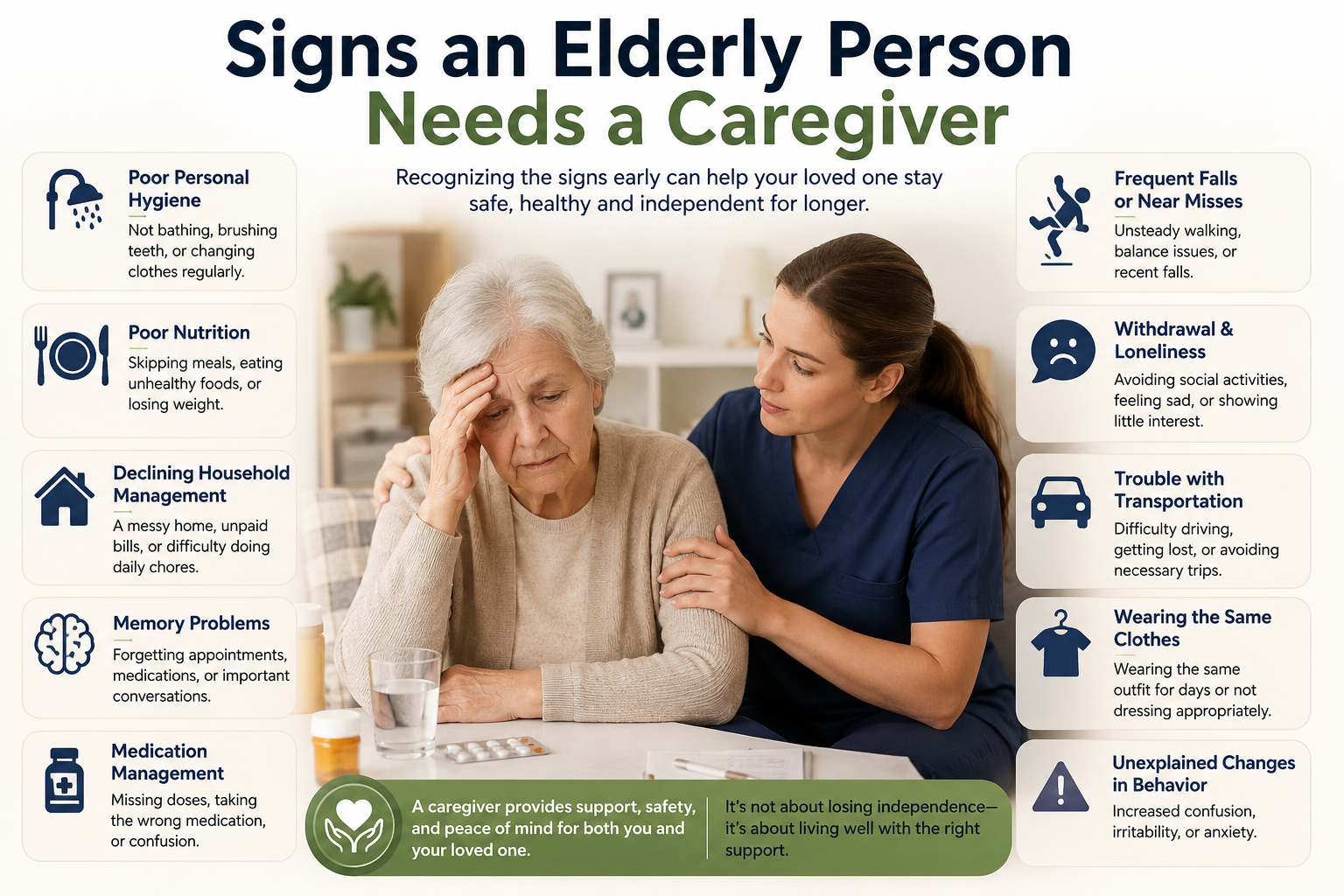
Warning signs:
- Frequent falls
- Medication confusion
- Severe memory problems
- Physical exhaustion (yours)
Getting professional help early is always better than reacting to a crisis.
Final Thoughts
Caring for an elderly person at home is not just a responsibility. It’s an experience that changes how you see time, patience, and relationships.
It’s not easy.
It’s not always smooth.
But it is meaningful in ways that are hard to explain.
And one day, you’ll look back and realize:
The small daily moments mattered more than anything else.
Disclaimer
This content is for informational purposes only and does not replace professional medical advice. Always consult a qualified healthcare professional regarding any medical concerns.
Share this content:





Post Comment